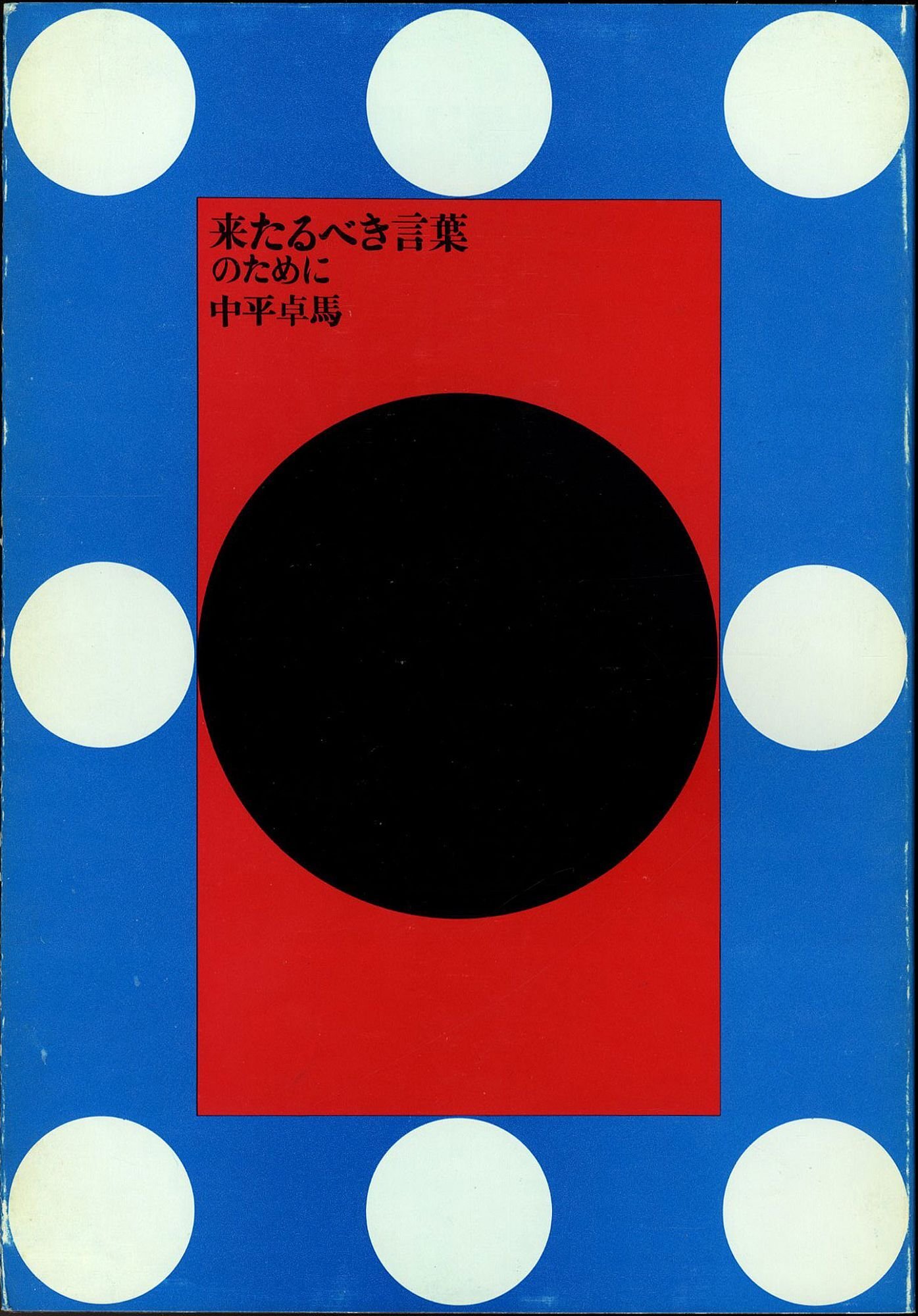
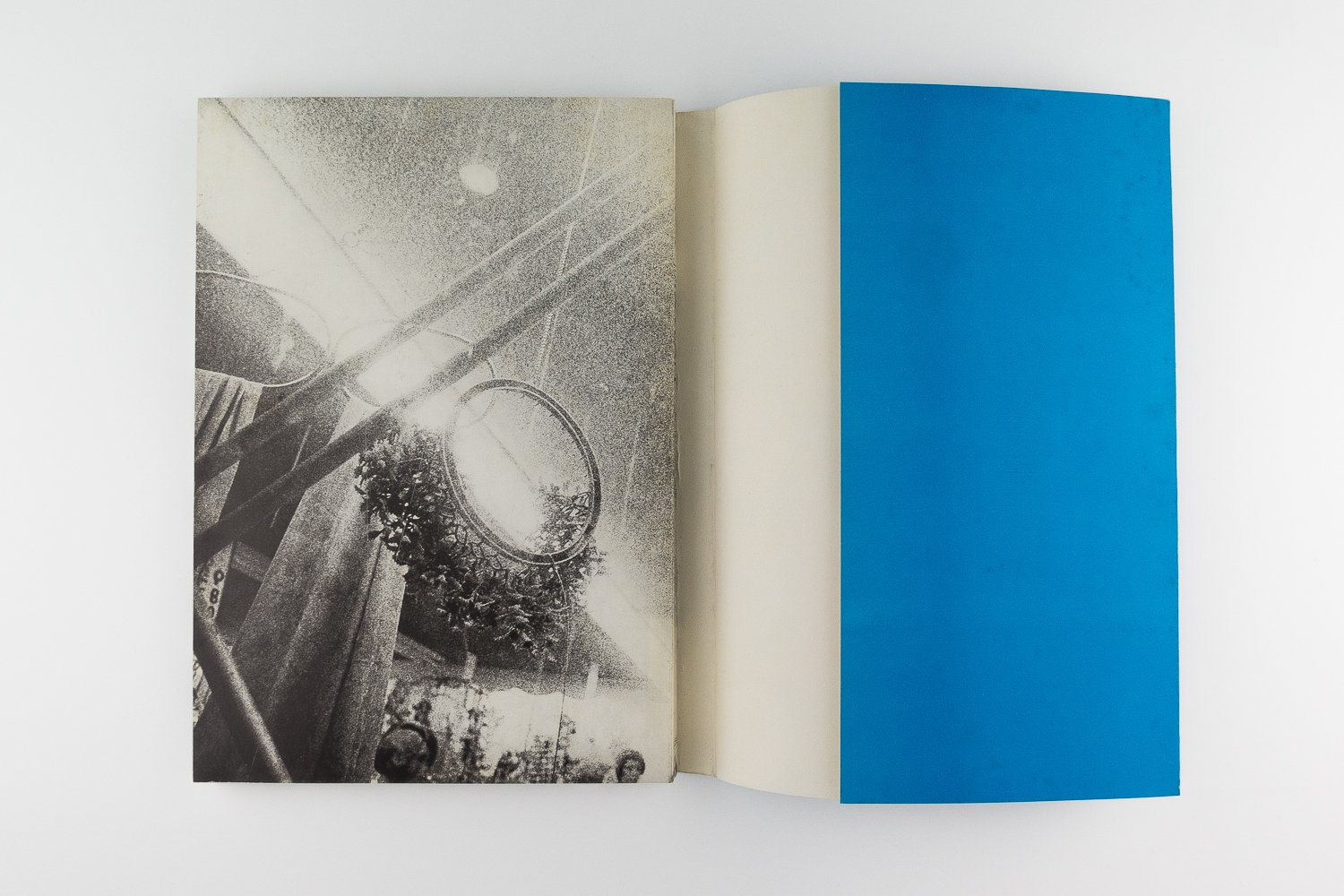
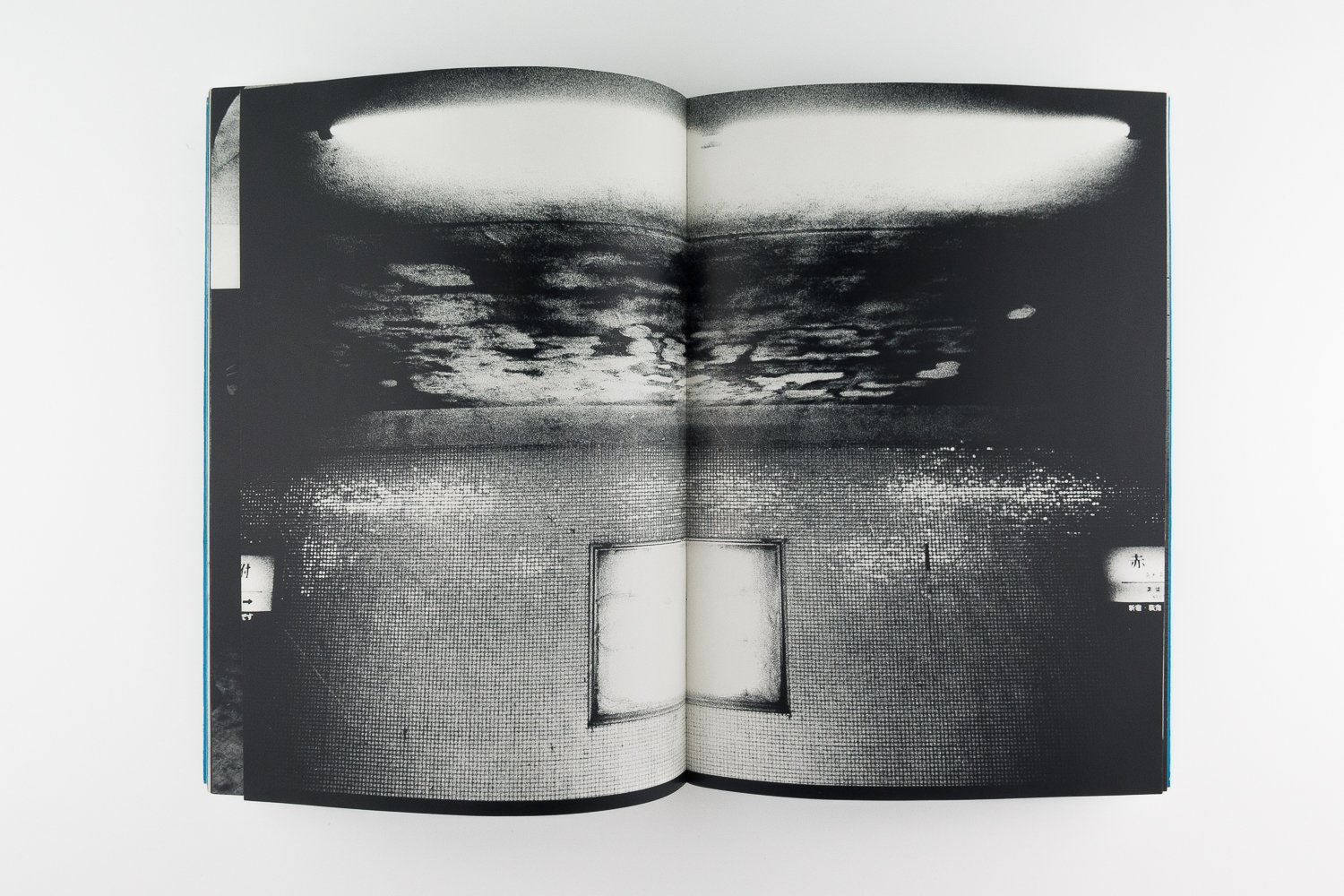
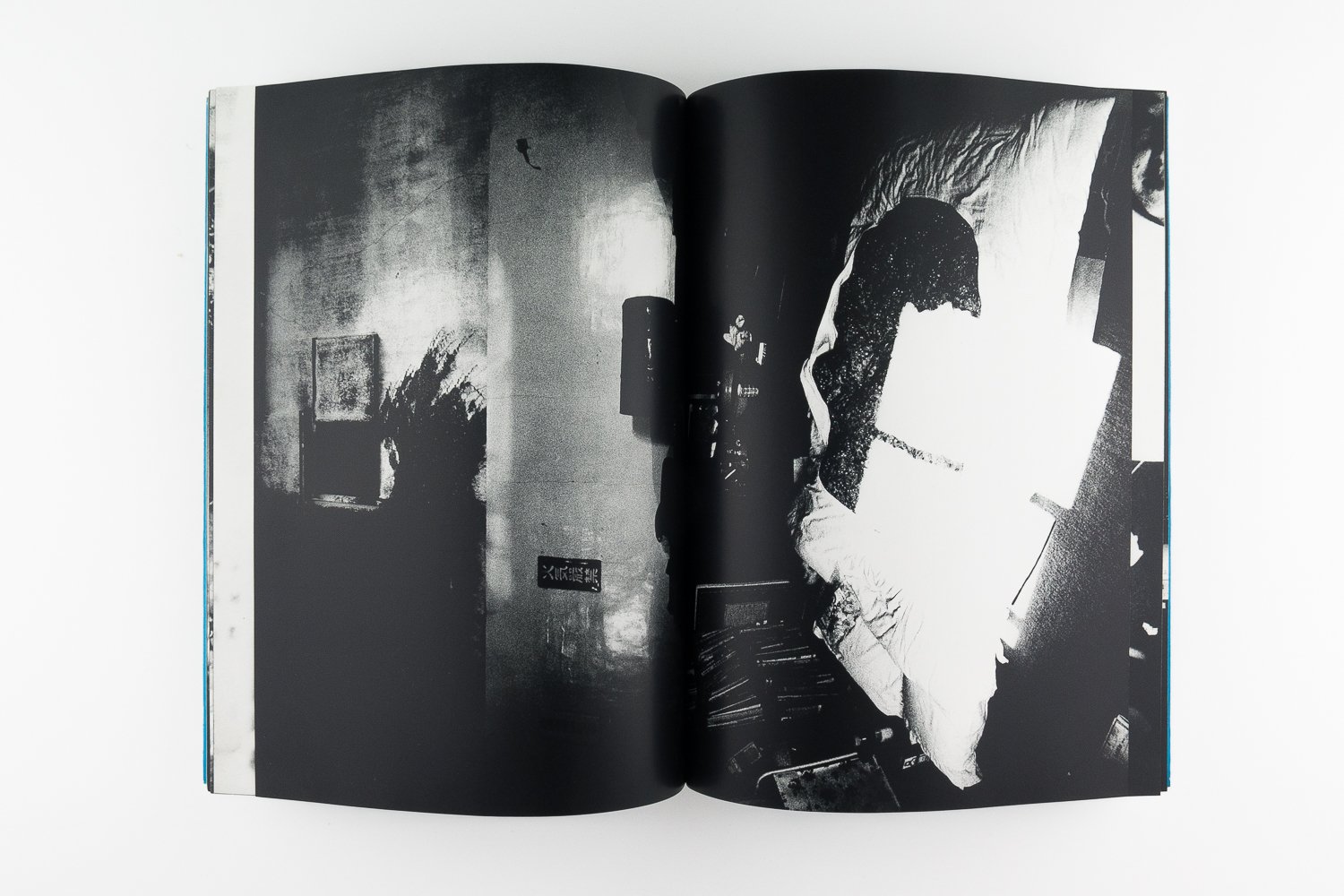
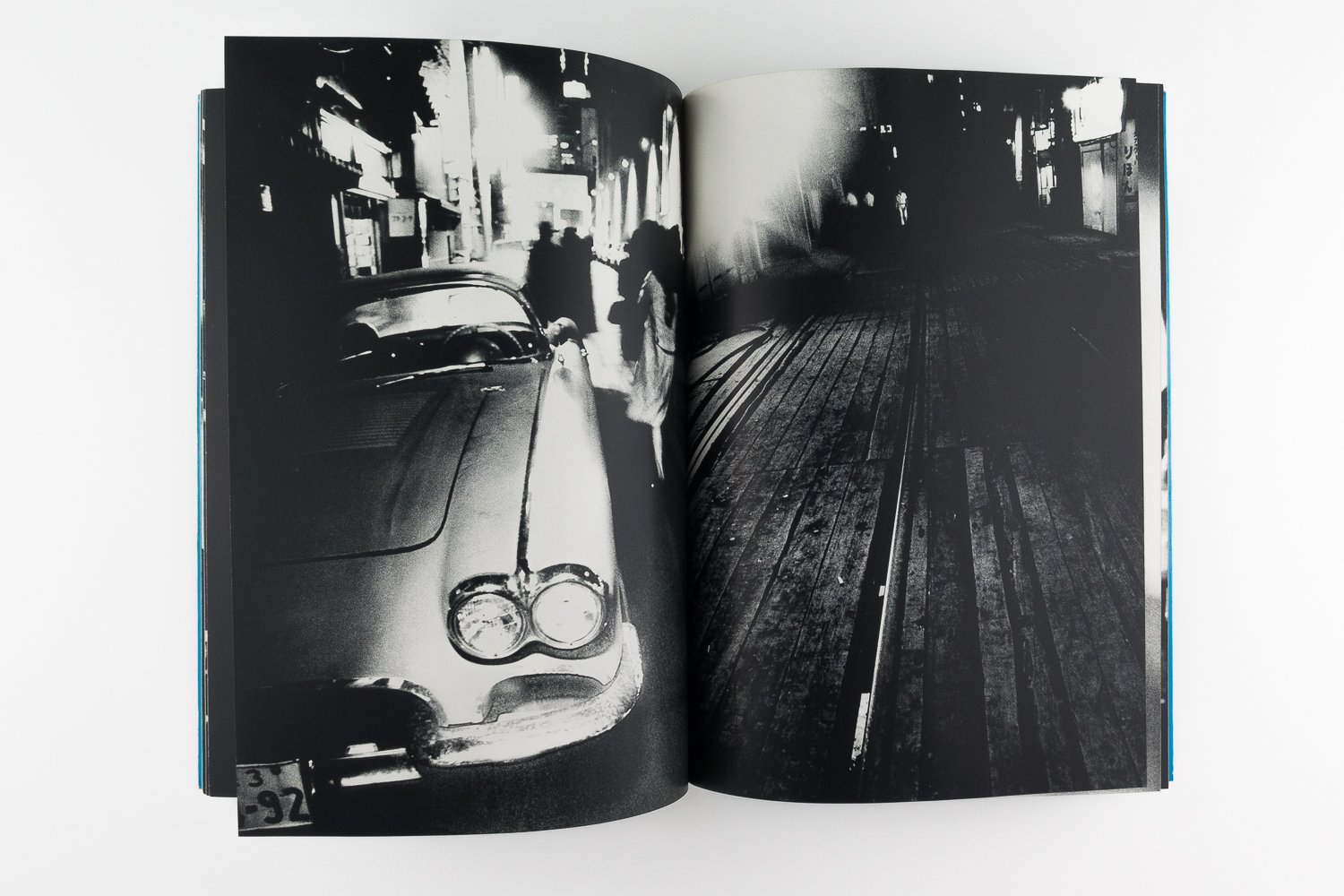
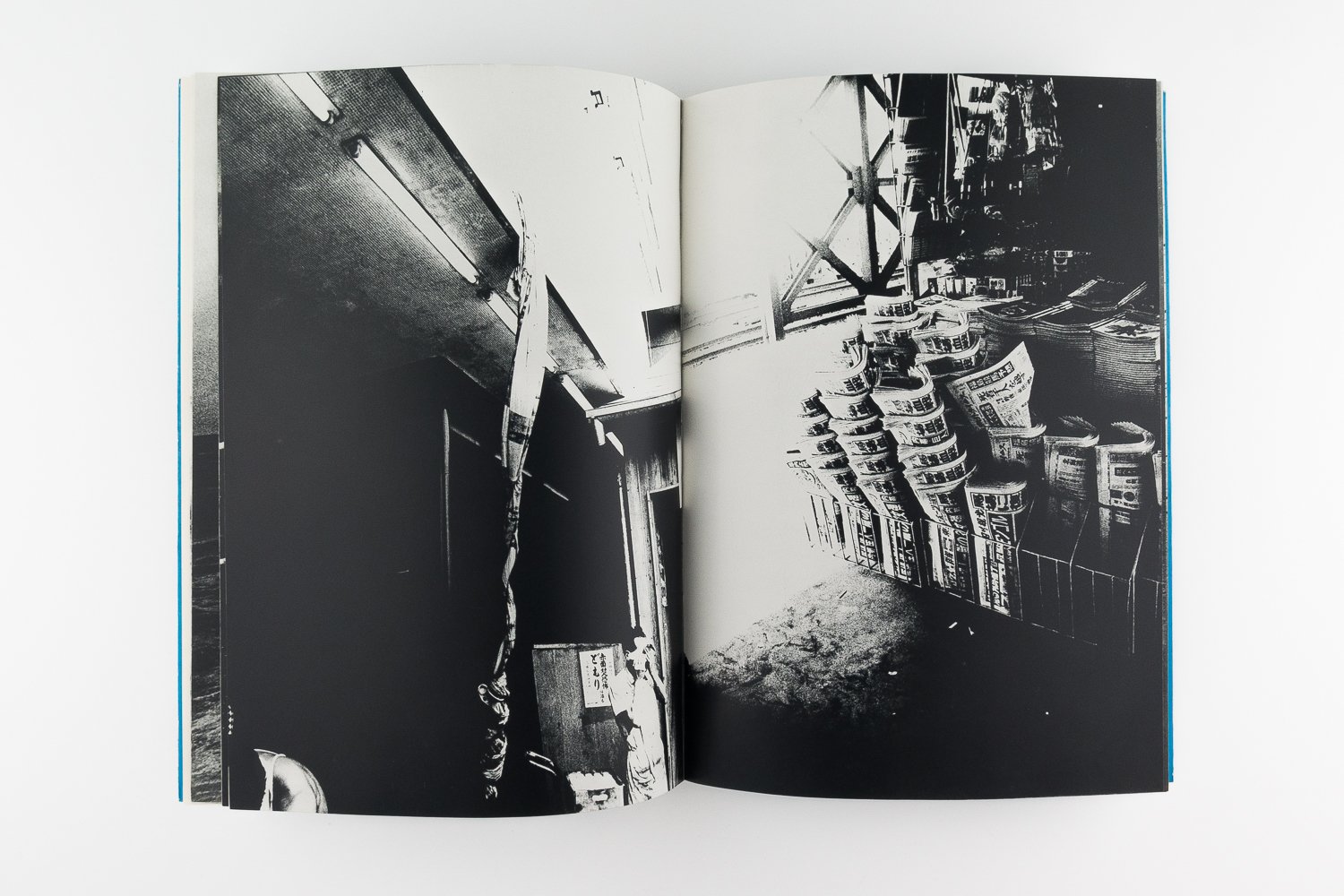
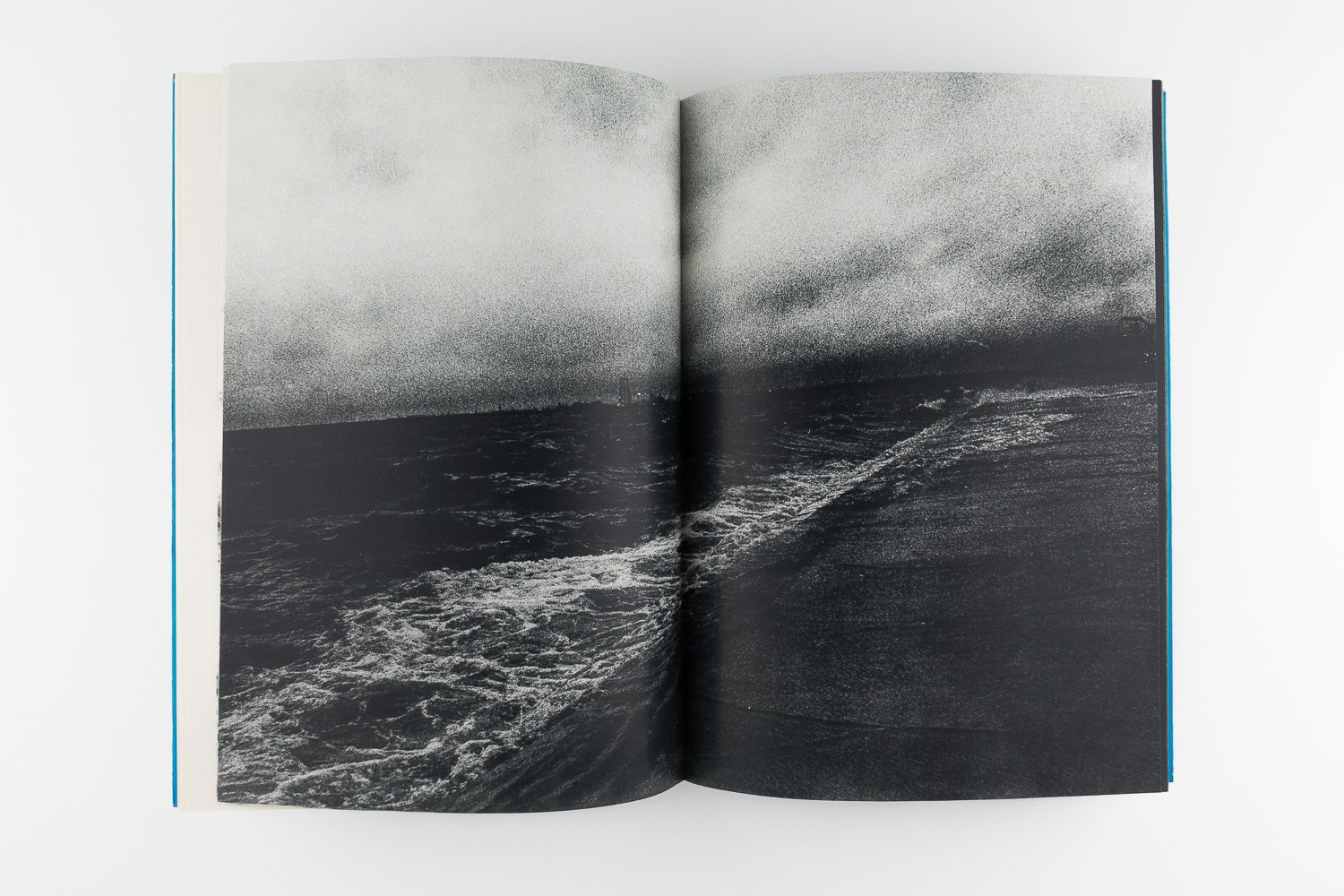
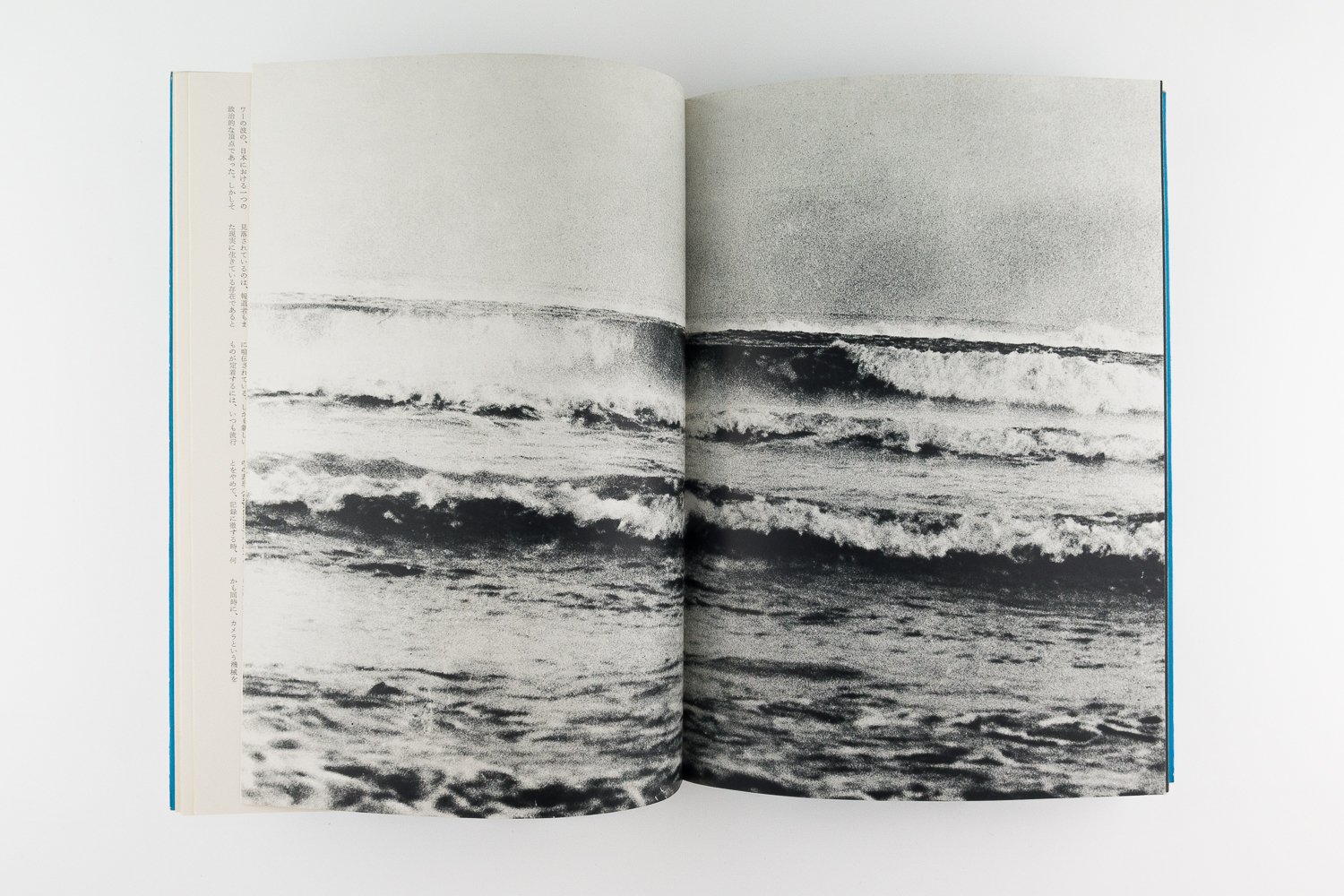
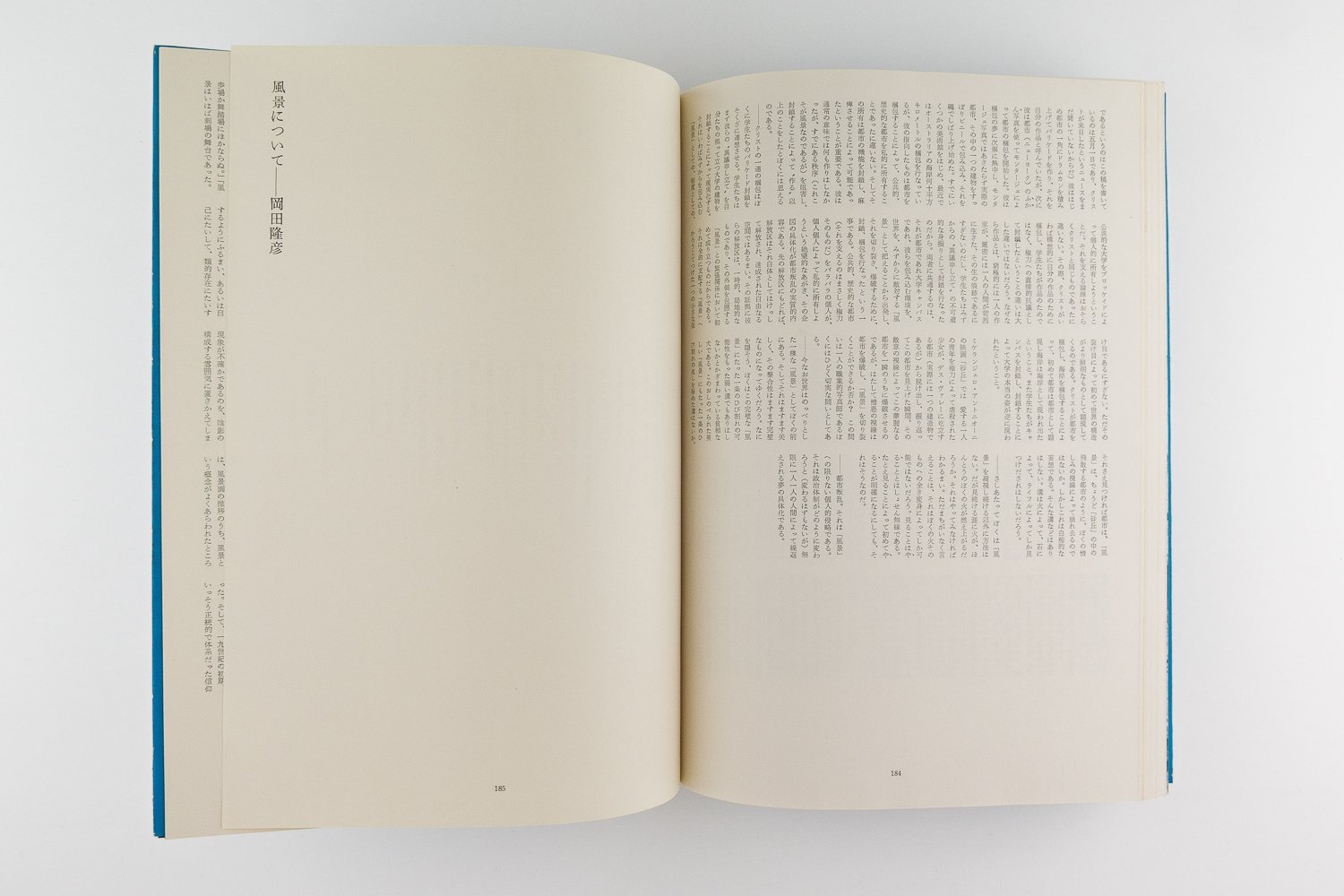
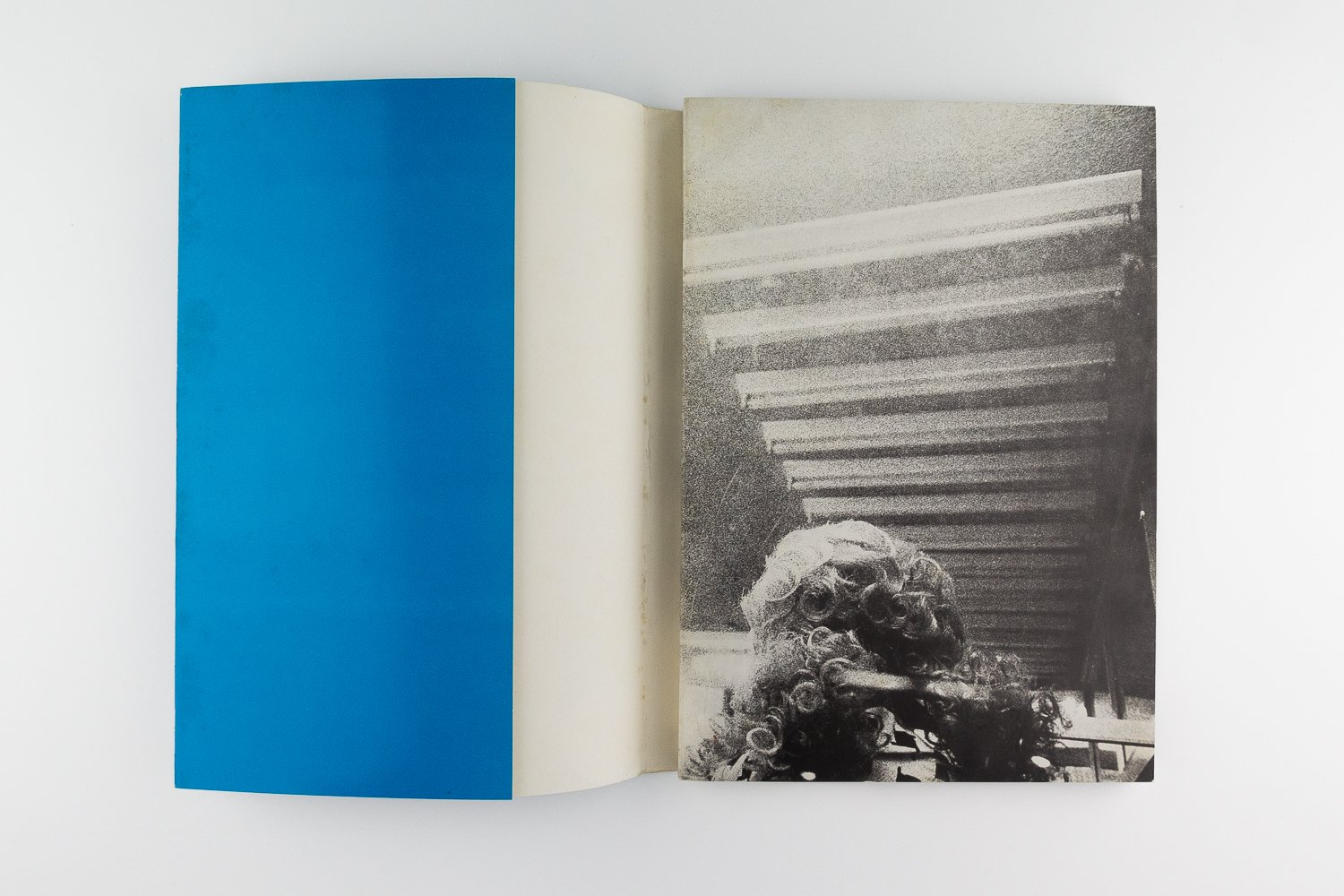
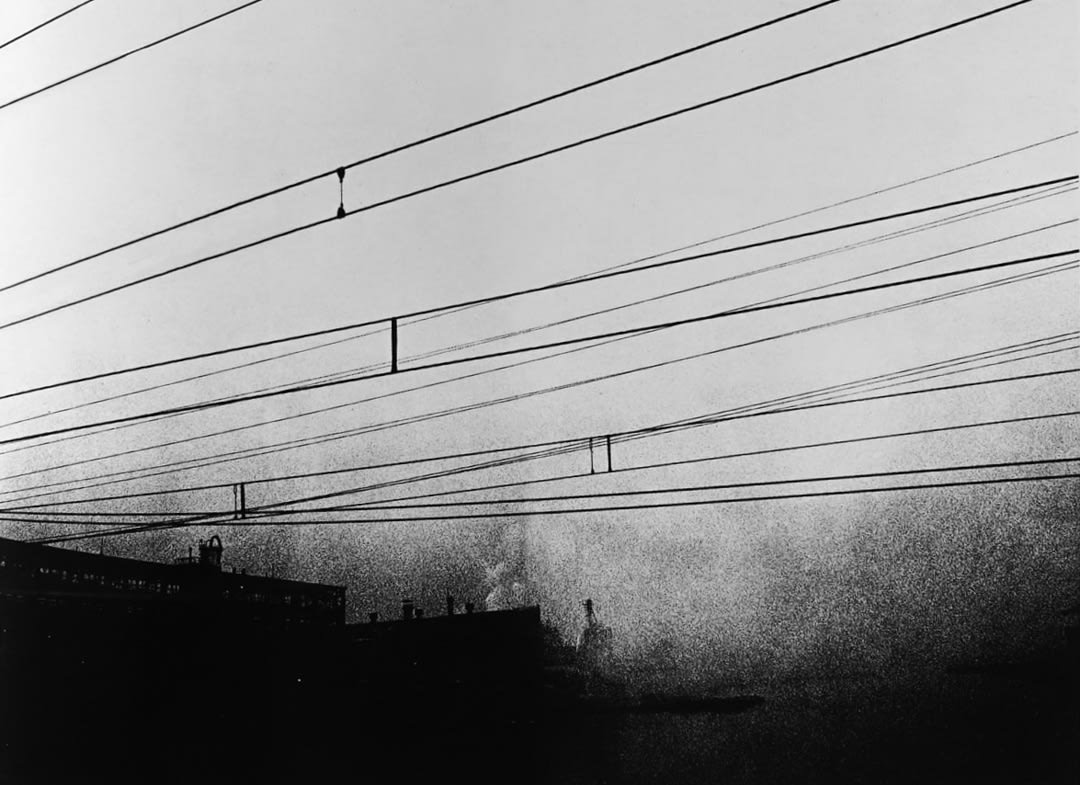
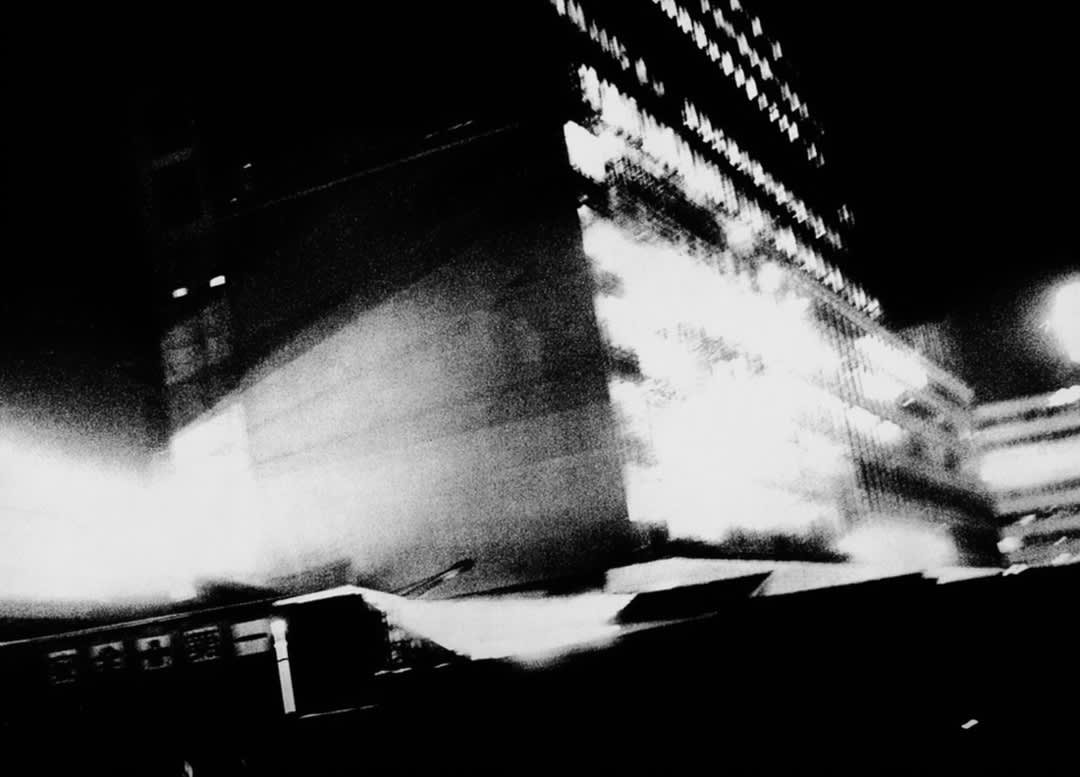
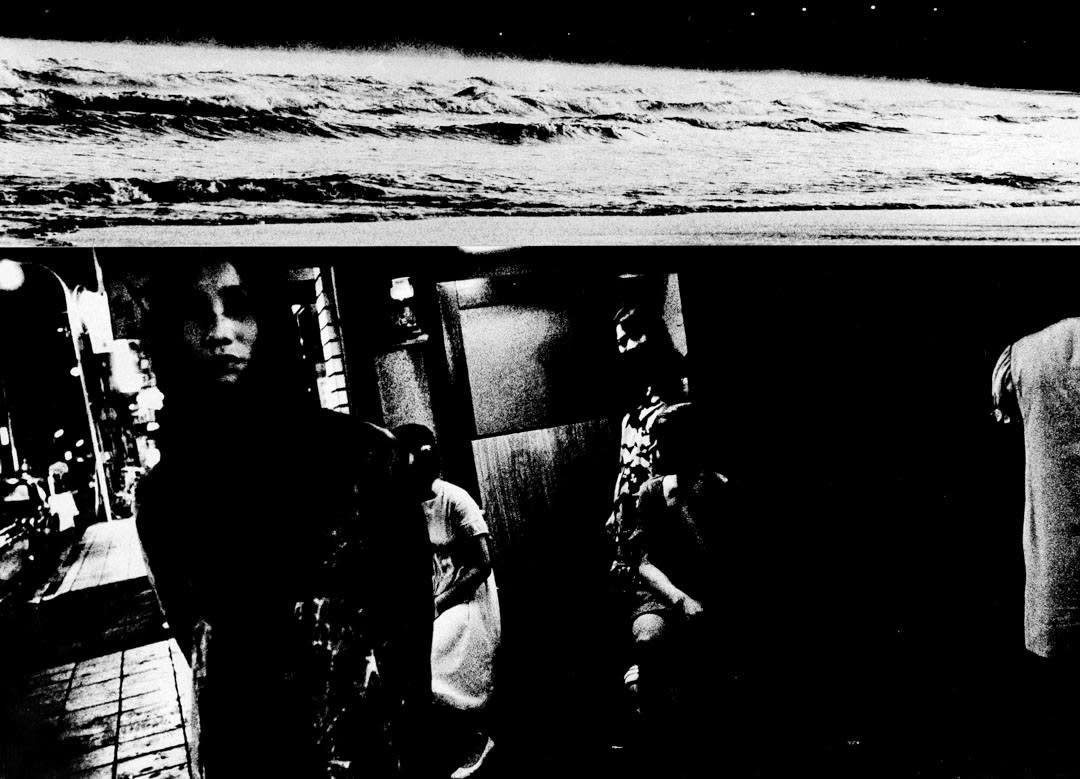
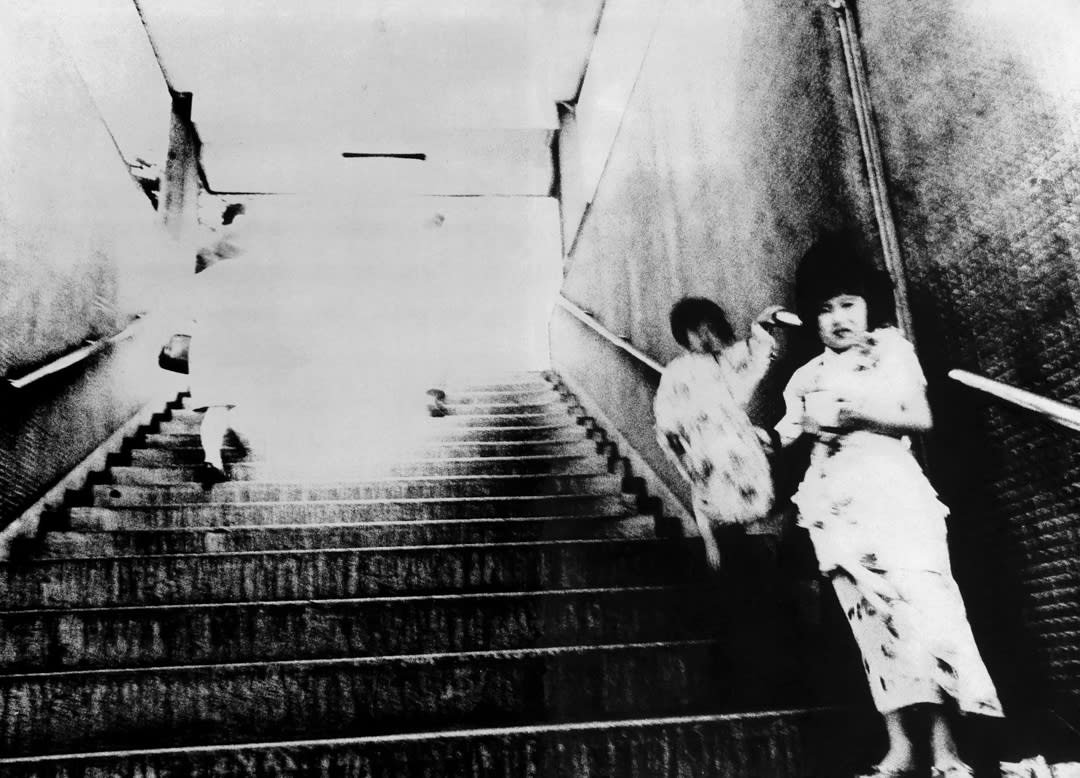
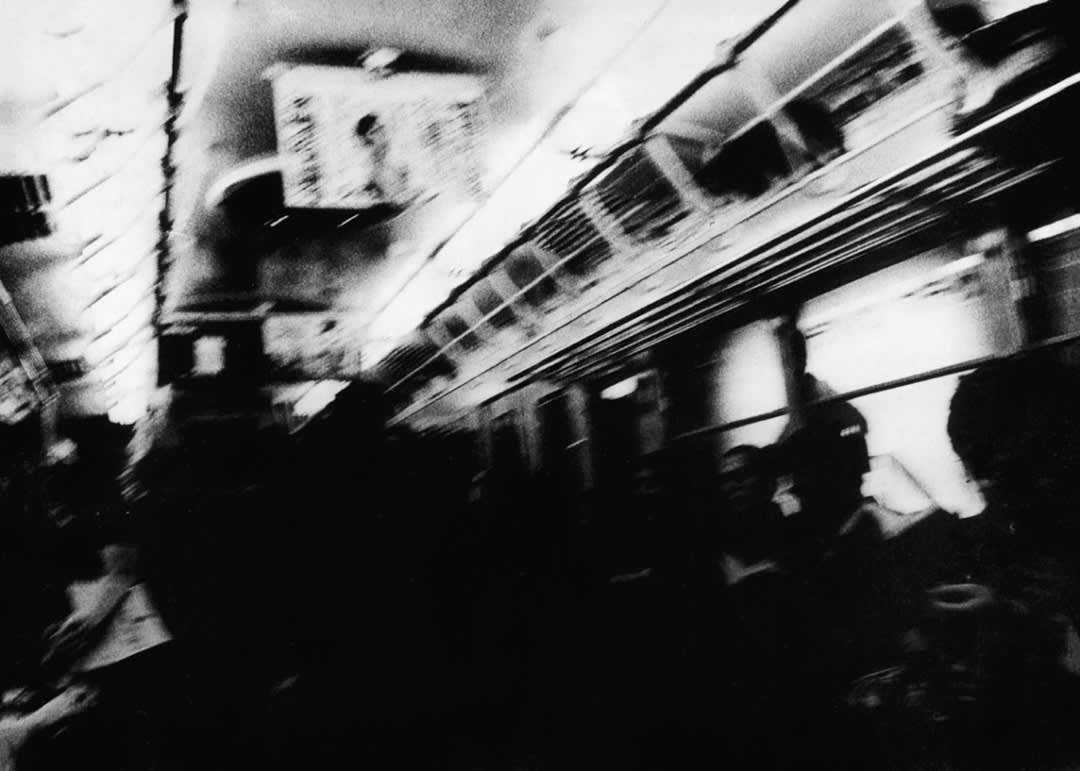
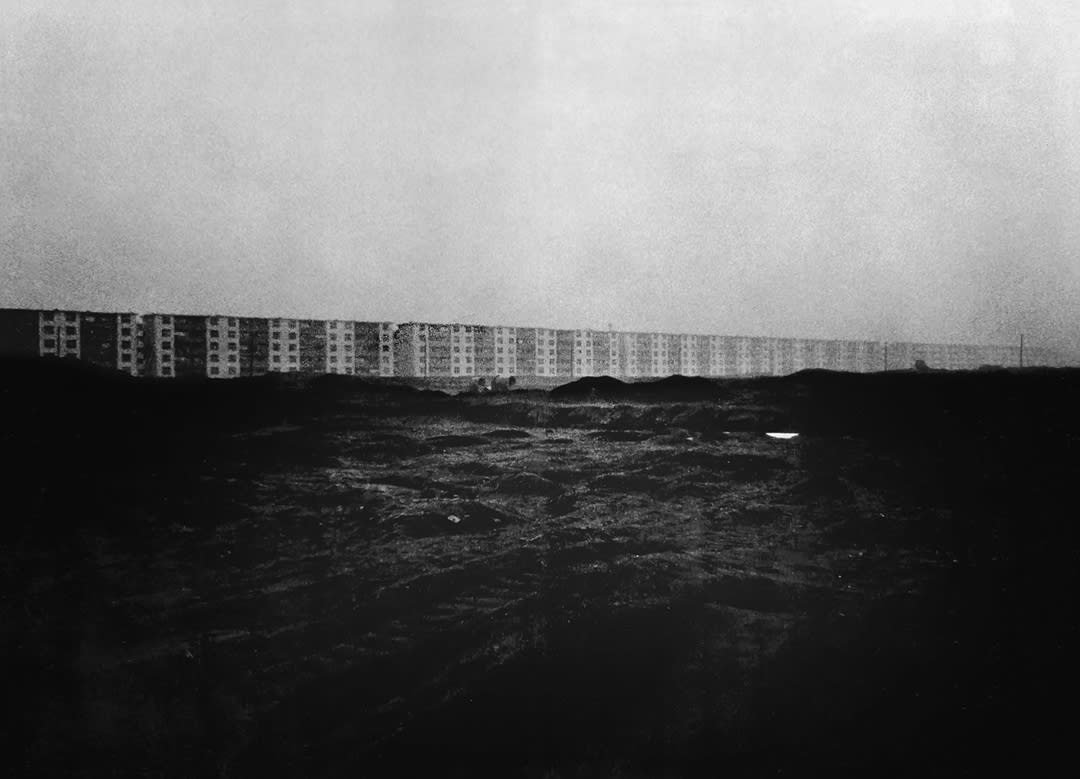
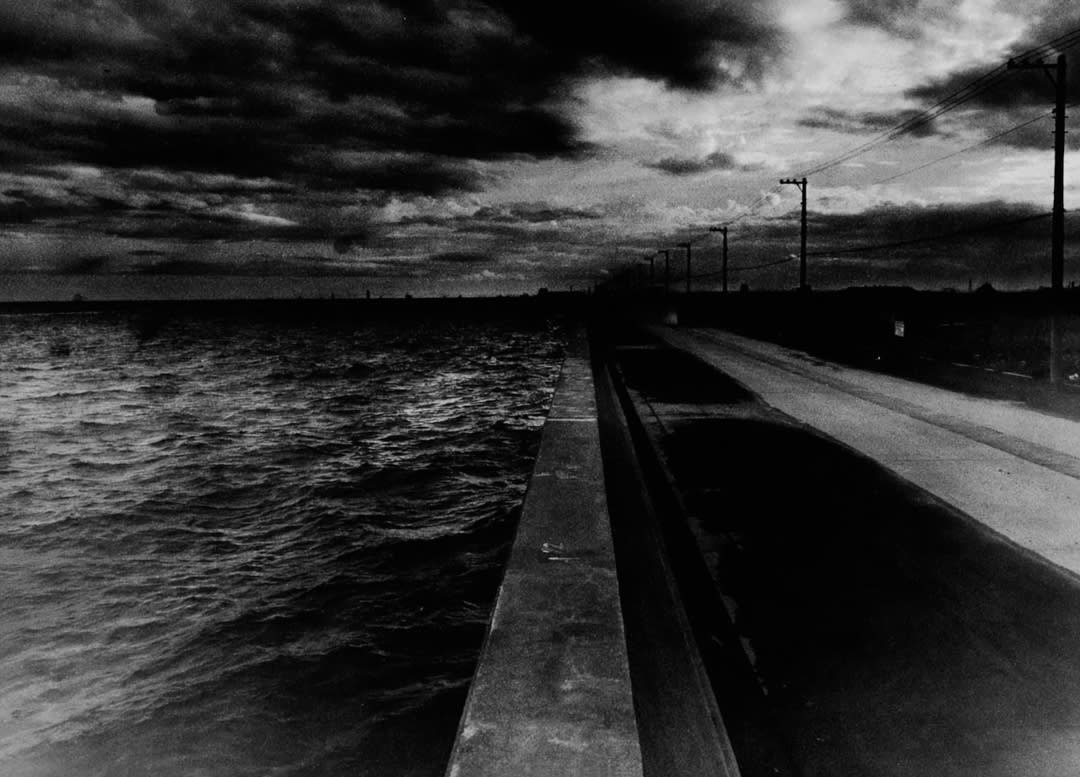
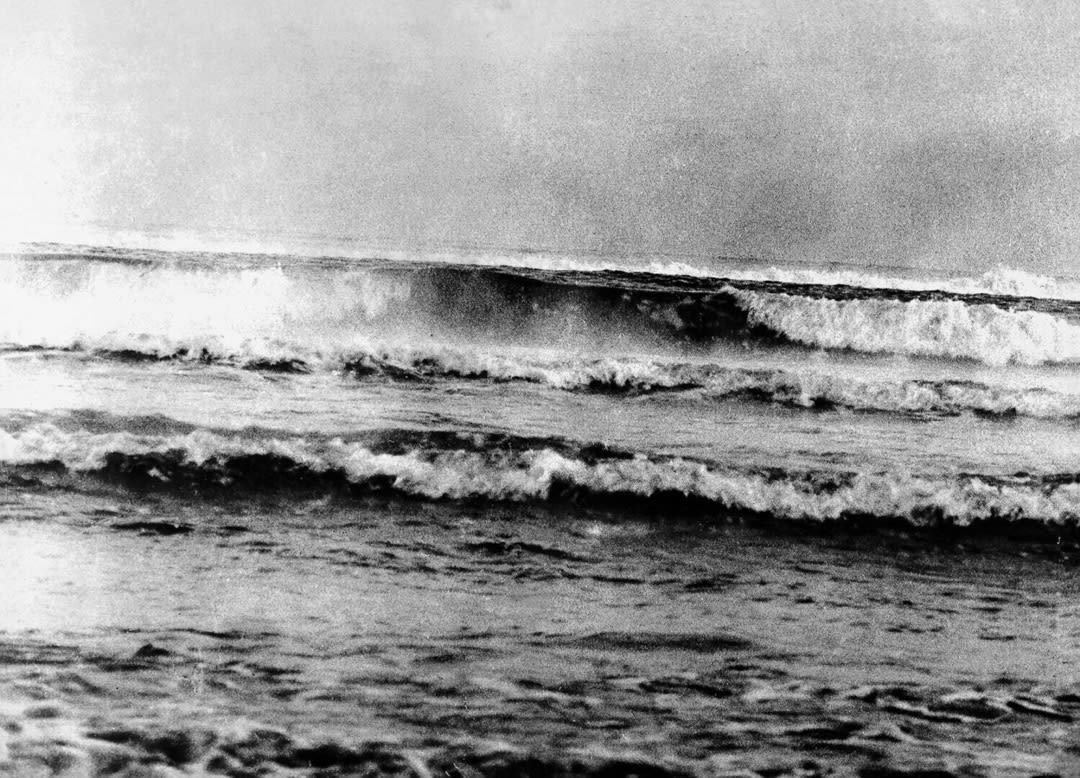
Takuma Nakahira’s For a Language to Come, published in 1970, explores how images could serve as a mode of expression beyond language, aiming to develop a photographic syntax that operated independently of conventional linguistic meaning. The project emerged during Japan’s rapid post-war urban transformation, capturing the tension between construction and destruction in Tokyo’s ever-changing landscape. Nakahira, a co-founder of the Provoke movement, sought to disrupt documentary traditions of photography, embracing a raw and spontaneous visual style that defied interpretation.
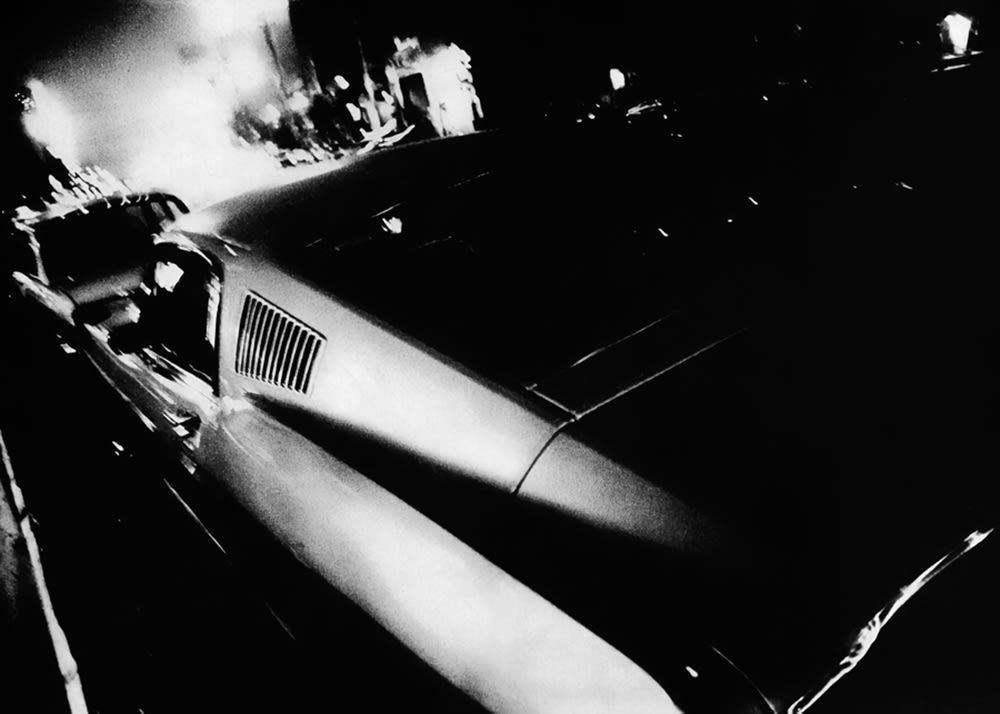
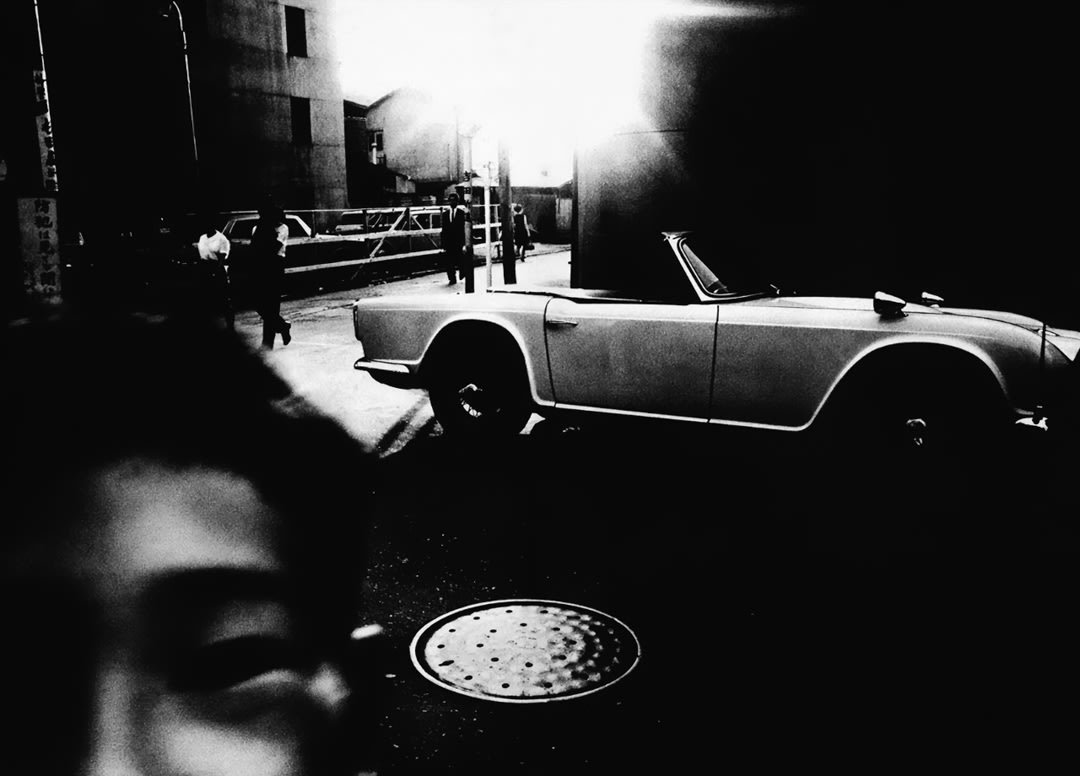
At the core of Nakahira's work is the "are-bure-boke" (grainy, blurry, and out-of-focus) aesthetic, a defining characteristic of the Provoke movement, which sought to destabilize fixed meanings and emphasize the subjective nature of perception. His high-contrast black-and-white photographs feature tilted perspectives, extreme close-ups, and a sense of movement, creating a dynamic yet unsettling visual experience. Through this approach, Nakahira attempted to capture a world unseen by the human eye, pushing the limits of photography beyond documentation into the realm of sensory experience.
Technically, Nakahira embraced an almost instinctive approach to photography, favoring wide-angle lenses and available light over controlled compositions. He was reportedly opposed to the use of flash, which led him to develop a reliance on ambient lighting, further contributing to the atmospheric and moody quality of his work. His images, often taken at night, use deep shadows and harsh contrasts to amplify the sense of unease and alienation.
First published by Fudōsha in 1970, For a Language to Come earned Nakahira the Japan Photo Critics Association Newcomer’s Award and was later revisited in Osiris’s 2010 facsimile. Major showings—Nakahira Takuma: Degree Zero – Yokohama (2003), For a New World to Come (MFA Houston, 2015), Provoke: Between Protest and Performance (2016–17; AIC, Albertina, LE BAL), and Nakahira Takuma: Burn—Overflow (MOMAT, 2024)—have helped establish its place in postwar photographic discourse.
Nakahira later realized his early photographs, despite his intent, reflected subjective perceptions rather than objectivity. He saw this as a limitation, imposing personal emotion onto his subjects. Rejecting photography as personal expression, he argued that such an approach commodified work, making it a personal statement rather than direct engagement with reality.
"It's all about photographic language... taking photographs for the purpose of language is for the most part meaningless for me. Rather, photography provokes language. It recasts language; within it, various gradations outline a new language. It provokes the world of language: looking at images leads to the discovery of a new language." - Takuma Nakahira